Identifying and Treating Pavement Ants A Comprehensive Guide
Pavement ants are one of the most common ant species homeowners encounter. These tiny invaders often go unnoticed until they form large colonies inside or near your home. Knowing how to identify pavement ants and effectively treat them can save your property from damage and prevent ongoing infestations. This guide offers clear, practical steps to help you recognize pavement ants and manage them safely.

How to Identify Pavement Ants
Recognizing pavement ants is the first step in controlling them. These ants have distinct features and behaviors that set them apart from other species.
Physical Characteristics
Size: Pavement ants are small, about 1/8 inch (3 mm) long.
Color: They are usually brown to dark brown with a slightly lighter head.
Body: Their bodies have fine grooves or ridges on the head and thorax, giving a textured appearance.
Antennae: They have 12-segmented antennae with a two-segmented club at the end.
Legs: Their legs are relatively long compared to their body size.
Behavior and Habitat
Pavement ants typically nest under sidewalks, driveways, and building foundations.
They create small piles of dirt or sand near their nest entrances.
These ants forage in trails, often seen marching along cracks in pavement or walls.
They are attracted to sweet and greasy foods, making kitchens a common target.
Signs of Infestation
Small dirt mounds near pavement cracks or foundation edges.
Trails of ants moving in and out of cracks or crevices.
Ants inside the home, especially in kitchens or pantries.
Occasional damage to wooden structures, although less common than with carpenter ants.
How to Inspect Your Property for Pavement Ants
A thorough inspection helps pinpoint where pavement ants live and how extensive the infestation is.
Outdoor Inspection
Check along sidewalks, patios, and driveways for small dirt mounds.
Look for ant trails leading to cracks or holes in pavement.
Inspect foundation walls for cracks or gaps where ants may enter.
Examine mulch beds and garden areas near the home.
Indoor Inspection
Look for ants near food sources like crumbs, pet food, or sugary spills.
Inspect baseboards, window sills, and door frames for ant trails.
Check behind appliances and inside cabinets.
Use a flashlight to spot ants moving along walls or floors.
How to Treat Pavement Ants Effectively
Once you identify pavement ants, the next step is treatment. Combining prevention with targeted control methods yields the best results.
Step 1: Remove Food and Water Sources
Keep kitchen counters and floors clean of crumbs and spills.
Store food in airtight containers.
Fix leaky pipes and reduce moisture in crawl spaces and basements.
Remove pet food dishes when not in use.
Step 2: Seal Entry Points
Use caulk to seal cracks in foundations, walls, and around windows.
Repair damaged screens and weather stripping.
Fill gaps around utility pipes and cables entering the home.
Step 3: Use Baits for Long-Term Control
Place ant baits near trails and entry points.
Baits attract worker ants, which carry poison back to the colony.
Avoid spraying insecticides directly on bait trails, as this can repel ants.
Be patient; baits may take several days to reduce the colony.
Step 4: Apply Insecticides Around the Perimeter
Use insecticide sprays or dusts labeled for pavement ants around the foundation.
Focus on cracks, crevices, and nest entrances.
Follow label instructions carefully for safety and effectiveness.
Consider professional pest control near me services for large or persistent infestations.
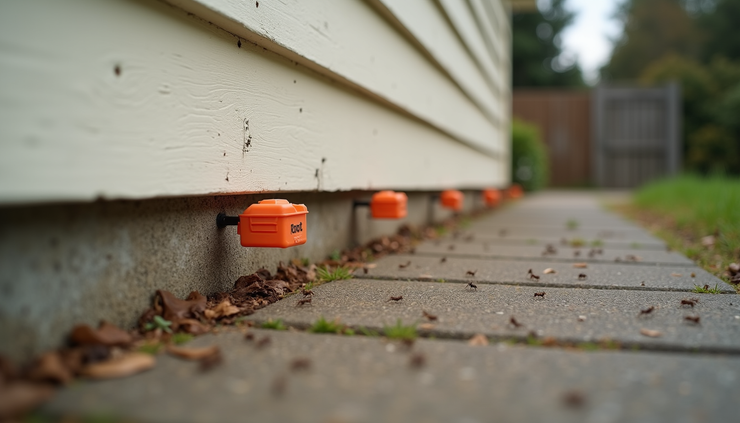
Step 5: Maintain Yard and Home Exterior
Keep mulch and vegetation away from the foundation.
Trim tree branches and shrubs that touch the house.
Remove debris and wood piles near the home.
Regularly inspect for new ant activity.
When to Call Pest Control Professionals
Some infestations require expert help. If you notice these signs, it’s time to contact pest control near me:
Large numbers of ants inside the home despite DIY efforts.
Multiple nests or widespread outdoor colonies.
Ants causing structural damage.
Allergic reactions to ant bites or stings.
Professionals have access to stronger treatments and can identify hidden nests. They also provide ongoing monitoring to prevent re-infestation.

Tips for Preventing Future Pavement Ant Infestations
Regularly clean and declutter indoor spaces.
Keep outdoor areas tidy and free of debris.
Monitor for ant activity seasonally, especially in spring and summer.
Use preventive treatments around the home’s perimeter.
Educate family members about not leaving food out.
By staying vigilant and taking early action, you can keep pavement ants from becoming a persistent problem.


Comments