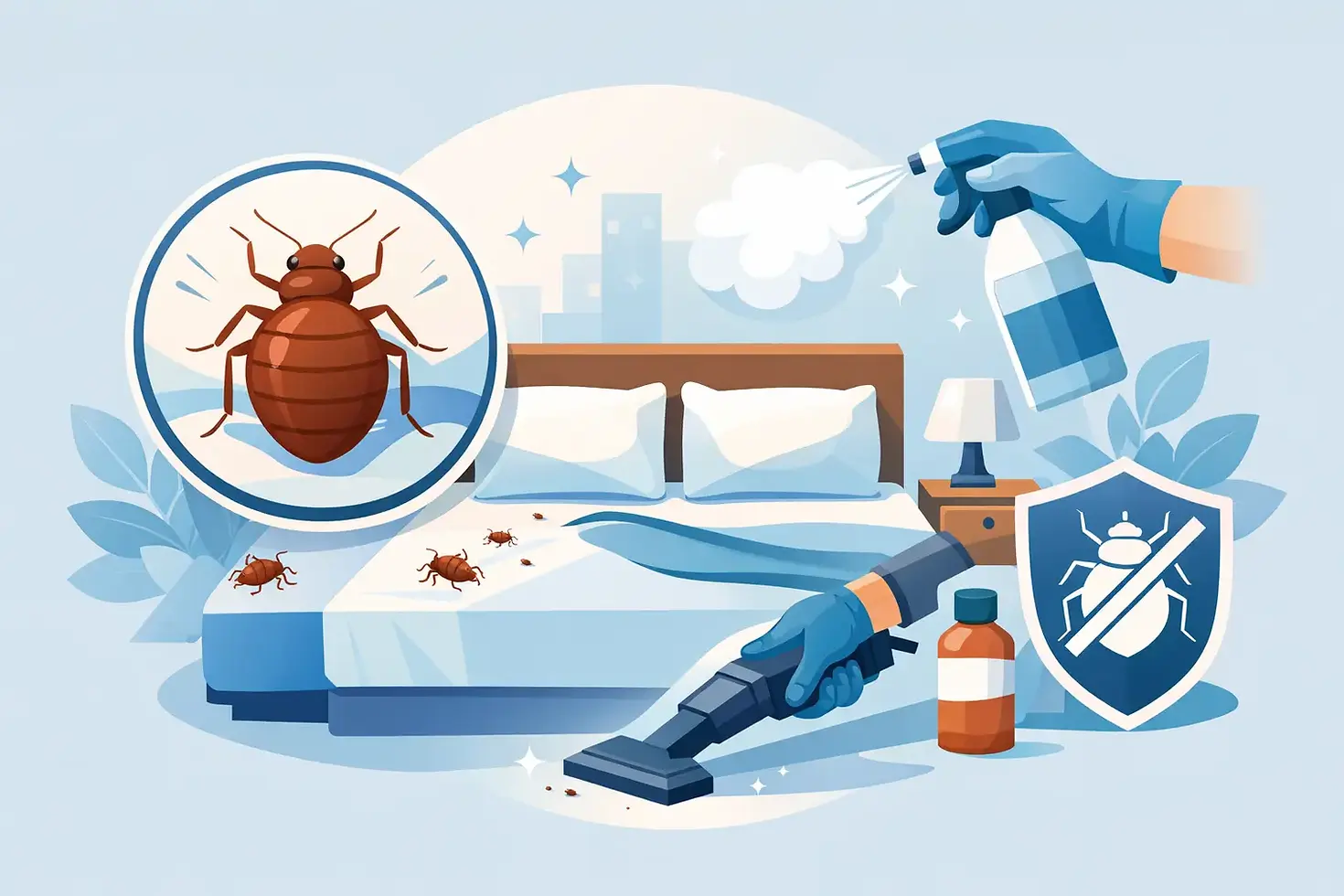
How to Get Rid of Bed Bugs Fast
You usually do not see bed bugs first. You feel them first - itchy bites in a line, a restless night, that sinking feeling when you spot tiny rust-colored stains on the sheets. If you are searching for how to get rid of bed bugs, you need a plan that is fast, thorough, and realistic. These pests are hard to eliminate because they hide well, reproduce quickly, and can survive longer than most people expect without feeding.
The good news is that bed bugs can be controlled. The bad news is that shortcuts usually make the problem drag on. Foggers, random sprays, and wishful thinking tend to waste time while the infestation spreads into baseboards, furniture, and nearby rooms. The best approach combines careful inspection, targeted treatment, and follow-up until activity stops completely.
How to get rid of bed bugs without making it worse
The first mistake people make is moving items from room to room. That can spread bed bugs into areas that were not infested before. The second mistake is throwing away everything too soon. In some cases, heavily infested furniture does need to go, but a lot of beds, couches, and clothing can be treated and saved if the work is done correctly.
Start by limiting movement. Keep bedding, clothes, and soft items from traveling through the home uncovered. If you remove anything from an affected room, seal it in a bag first. That one habit can reduce the chance of carrying bed bugs into hallways, vehicles, or clean rooms.
Next, confirm where they are actually hiding. Bed bugs commonly stay close to where people rest, especially in mattress seams, box springs, bed frames, headboards, recliners, couches, nightstands, and cracks along baseboards. They also hide behind loose outlet covers, wall hangings, and peeling wallpaper. You are looking for live bugs, pale shed skins, tiny white eggs, and small dark spotting.
A practical step-by-step bed bug plan
If you want real progress, focus on inspection, cleaning, treatment, and monitoring. Skipping one of those usually leads to repeat activity.
Strip and contain the room
Remove sheets, blankets, pillowcases, and nearby clothing carefully. Bag everything at the point of removal. Do not carry loose laundry through the house. Wash items in hot water when the fabric allows, then dry on high heat long enough to kill all life stages. Heat from the dryer is one of the most reliable tools you can use on washable fabrics.
Anything that cannot be washed may still be salvageable if it can go through a dryer cycle safely. If not, it may need to be sealed and set aside or inspected by a professional before you decide what to do with it.
Vacuum with purpose
Vacuuming will not solve a bed bug infestation by itself, but it helps reduce the number of bugs and eggs before treatment. Use the crevice tool around mattress piping, bed frames, baseboards, furniture seams, and floor edges. Go slowly. Afterward, empty the vacuum into a sealed bag and get it out of the home.
This step matters because it removes active insects from the places where treatment needs to work hardest. It also gives you a better view of hiding spots that may have been buried under lint or dust.
Use heat where it works best
Heat is excellent for clothing, bedding, stuffed animals, and many soft goods. It is not the same as turning up the thermostat. Whole-room or whole-home heat treatment is specialized work that requires commercial equipment and close temperature control. A space heater in the bedroom is not a substitute and can create safety issues without reaching the hidden spots bed bugs use.
For most households, the practical heat tools are the dryer and, in some cases, a steamer used correctly on seams, tufts, and cracks. Steam can kill bed bugs on contact, but it has to be applied slowly and carefully. Too much pressure can scatter bugs deeper into hiding, and too much moisture can damage materials.
Encase mattresses and box springs
A bed bug-proof encasement traps any bugs already inside and removes many of the seams and folds bed bugs like to use. This does not kill every bug in the room, but it makes the bed easier to inspect and reduces harborage areas. Leave encasements on for the full recommended period. Taking them off too early defeats the purpose.
Treat cracks, joints, and hiding places
This is the part where many do-it-yourself jobs go sideways. Bed bugs do not spend most of their time out in the open. They wedge into joints of bed frames, behind trim, under furniture, and inside tight crevices. Surface-only spraying often misses the infestation.
If you use any over-the-counter product, read the label completely and use it only where the label allows. More product is not better. Misuse can put children, pets, and occupants at risk while pushing the bugs into harder-to-treat areas. Never use outdoor pesticides indoors, and never spray mattresses or bedding unless the product is specifically labeled for that use.
Monitor after treatment
Interceptors under bed legs and routine inspections help you see whether activity is dropping. Bed bugs do not disappear overnight. Even after a good treatment, eggs may hatch later, which is why follow-up matters. If bites continue, it does not always mean the first treatment failed, but it does mean the situation still needs attention.
What usually does not work
People under stress often try everything at once. That is understandable, but it can make the infestation harder to track and treat.
Bug bombs and foggers are a common example. They rarely reach the hidden cracks where bed bugs stay, and they can scatter bugs into wall voids or new rooms. Rubbing alcohol is another frequent gamble. It may kill some bugs on contact, but it does not leave lasting control and creates a fire hazard. Essential oils may smell strong, but smell is not a treatment plan.
There is also the problem of partial effort. Washing the bedding but ignoring the bed frame, vacuuming the mattress but skipping the couch, or treating one bedroom when the bugs have already spread can keep the problem going for weeks.
When to call a professional for bed bugs
If you caught the issue very early, a careful home response may help reduce it. But many infestations are already larger than they appear by the time bites show up. That is when professional treatment becomes the faster, safer, and often less expensive path compared with repeating products that never fully work.
A professional inspection can pinpoint where bed bugs are living, how far they have spread, and which combination of treatment methods fits the home. It also helps protect families from unnecessary chemical exposure and helps avoid the common mistakes that keep infestations active.
For homes with kids, pets, shared walls, or multiple sleeping areas, professional service is especially helpful because the margin for error is smaller. Small commercial spaces like offices, break rooms, waiting areas, and rental units also benefit from a discreet, targeted approach that solves the issue without creating more disruption than necessary.
At Gator Pest Solutions, that kind of work is handled with direct owner involvement, clear communication, and treatments built around both eradication and prevention. That matters when you want the job done carefully the first time, not stretched into a long, frustrating cycle.
How to keep bed bugs from coming back
Once activity is under control, prevention becomes the next priority. Bed bugs are excellent hitchhikers. They come home in luggage, on used furniture, and sometimes on personal items after travel or overnight stays.
Check hotel beds and upholstered furniture before settling in. Keep luggage off the bed and floor when possible. After traveling, run clothing through the dryer before putting it away. Be very cautious with secondhand mattresses, couches, and bed frames. Even a piece that looks clean can hide bugs in seams and joints.
At home, reduce clutter around sleeping areas so inspections stay easier. If you have had bed bugs before, keeping encasements and monitors in place can help catch new activity early, when the fix is simpler and less stressful.
Bed bugs are not a sign that a home is dirty. They are a sign that bed bugs found a ride inside. What matters most is how quickly and thoroughly you respond. A calm, focused plan beats panic every time, and if the problem is bigger than you want to handle alone, getting expert help early can save a lot of lost sleep.


Comments