Essential Pest Control Strategies for Multi-Unit Dwellings to Protect Health and Property
Pest infestations in multi-unit dwellings pose a serious challenge for both landlords and tenants. Unlike single-family homes, these environments have shared walls, hallways, and common areas that allow pests to spread quickly from one unit to another. Ignoring pest control can lead to significant health risks and costly property damage. This post explores why pest control is crucial in multi-unit buildings, the unique challenges these settings face, and practical strategies to keep living spaces pest-free.
Unique Challenges of Pest Control in Multi-Unit Dwellings
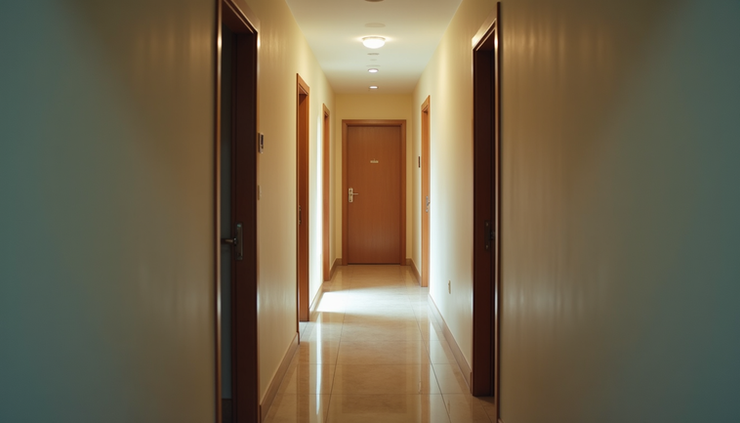
Multi-unit dwellings create an environment where pests can easily move between units. Shared walls, ceilings, and floors provide pathways for insects and rodents. Common areas such as laundry rooms, trash disposal sites, and basements also serve as hotspots for pest activity.
Shared Walls and Ceilings: Pests like cockroaches, bed bugs, and rodents can travel through cracks, electrical outlets, and plumbing gaps.
Common Areas: Trash accumulation and moisture in shared spaces attract pests and increase infestation risks.
High Occupant Turnover: Frequent tenant changes can introduce new pests or disrupt ongoing pest control efforts.
Limited Tenant Control: Individual tenants may not have the authority or knowledge to address pest problems effectively, requiring coordinated efforts.
These factors make pest control in multi-unit buildings more complex than in standalone homes. Without a coordinated approach, infestations can spread rapidly, affecting multiple units and causing widespread problems.
Health Risks and Property Damage Caused by Pests
Pests are more than just a nuisance; they can seriously impact health and property. Understanding these risks highlights the importance of proactive pest management.
Health Risks
Allergies and Asthma: Cockroach droppings and shed skins are common asthma triggers, especially in children.
Disease Transmission: Rodents and insects can carry bacteria and viruses that cause illnesses such as salmonella, hantavirus, and Lyme disease.
Bites and Skin Irritations: Bed bugs and fleas cause painful bites and allergic reactions.
Food Contamination: Pests contaminate food supplies, leading to foodborne illnesses.
Property Damage
Structural Damage: Termites and carpenter ants weaken wood structures, compromising building integrity.
Electrical Hazards: Rodents chewing on wiring can cause short circuits and fire risks.
Cosmetic Damage: Stains, droppings, and nests damage walls, floors, and furniture.
Increased Maintenance Costs: Pest damage leads to frequent repairs and higher maintenance expenses.
Ignoring pest problems can result in costly repairs and health issues that affect tenant satisfaction and property value.

Effective Pest Management Strategies for Landlords and Tenants
Both landlords and tenants play vital roles in preventing and controlling pests. Here are practical strategies that can help maintain a pest-free environment.
For Landlords
Regular Inspections: Schedule routine inspections of all units and common areas to detect early signs of infestation.
Prompt Repairs: Seal cracks, gaps, and holes in walls, floors, and around pipes to block pest entry points.
Proper Waste Management: Ensure trash bins are covered and emptied regularly to avoid attracting pests.
Professional Pest Control Services: Hire licensed pest control professionals for regular treatments and emergency responses.
Tenant Education: Provide tenants with information on pest prevention and encourage reporting of pest sightings immediately.
For Tenants
Maintain Cleanliness: Keep kitchens and living areas clean, store food in sealed containers, and dispose of garbage properly.
Report Issues Quickly: Notify landlords or property managers at the first sign of pests.
Avoid Clutter: Reduce clutter that provides hiding places for pests.
Follow Treatment Plans: Cooperate with pest control schedules and follow preparation instructions.
Use Preventive Measures: Use door sweeps, window screens, and seal small gaps around doors and windows.
Collaboration between landlords and tenants creates a strong defense against pests and helps contain infestations before they spread.
Importance of Regular Inspections and Professional Services
Regular inspections are critical for early detection and prevention. Pest problems often start small and go unnoticed until they become severe. Scheduled inspections allow for timely intervention, reducing the risk of widespread infestations.
Professional pest control services bring expertise, safe treatment options, and effective pest management plans tailored to multi-unit dwellings. They can:
Identify pest species and infestation sources
Use targeted treatments that minimize chemical exposure
Provide ongoing monitoring and follow-up visits
Advise on building maintenance and tenant practices to reduce pest risks
Relying solely on DIY methods often fails to address the root causes of infestations in complex multi-unit settings.

Final Thoughts on Maintaining a Pest-Free Multi-Unit Dwelling
Pest control in multi-unit dwellings requires a coordinated, ongoing effort. The shared nature of these buildings makes pests a collective problem that affects everyone’s health and property. Landlords must invest in regular inspections, timely repairs, and professional pest control services. Tenants should maintain cleanliness, report issues promptly, and cooperate with treatment plans.


Comments